top of page

ເກີນຄວາມສົງໄສທີ່ສົມເຫດສົມຜົນ

.jpeg)


Language


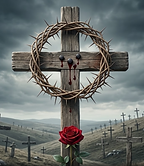


Biblical Signs of False Faith
![<h6 class="font_6"><br></h6>
<h4 class="font_4"><strong>Ten Biblical Signs of False Faith: What Scripture Warns Against </strong></h4>
<p class="font_8"><br></p>
<h5 class="font_5"><strong> You shall have no other gods before me </strong></h5>
<h6 class="font_6"><strong> </strong> <strong>(Exodus 20:3) </strong>–<em><strong>Commandment number one</strong></em></h6>
<ol class="font_5">
<li><h5 class="font_5"><u><strong>Worship only the true God and do not put anything above Him.</strong></u></h5></li>
<li><h6 class="font_6"><u><strong>Divided Affections (Lacking Wholehearted Love)</strong></u><strong><br>
</strong>God commands us to love Him with all our heart, soul, mind, and strength. A life divided between worldly desires and God fails to meet the greatest commandment.<br>
(Matthew 22:37; Deuteronomy 6:5) </h6></li>
<li><h6 class="font_6"><u><strong>Claiming to Know God While Living in </strong></u><strong>disprofessing</strong><u><strong> Love Without Obedience</strong></u><strong><br>
Yeshua stated plainly: "If you love Me, keep My commandments." True love for Yeshua is demonstrated by action and submission, not mere emotion or verbal claims.<br>
(John 14:15; 1 John 5:3)<br>
Scripture warns: "He who says, 'I know Him,' and does not keep His commandments, is a liar, and the truth is not in him." Claiming salvation while refusing to live by His word exposes a counterfeit faith.<br>
(1 John 2:4)</strong></h6></li>
<li><h6 class="font_6"><u><strong>Praying While Willfully Ignoring God’s Law</strong></u><strong><br>
"One who turns away his ear from hearing the law, even his prayer is an abomination." God rejects religious rituals and prayers from those who actively disregard His moral truth.<br>
(Proverbs 28:9)</strong></h6></li>
<li><h6 class="font_6"><u><strong>Practicing Lawlessness Despite Outward Good Works</strong></u><strong><br>
Many will point to prophecies, miracles, or deeds, but Yeshua will tell them: "Depart from Me, you who practice lawlessness; I never knew you." Miraculous activity is no substitute for authentic obedience.<br>
(Matthew 7:21–23)</strong></h6></li>
<li><h6 class="font_6"><u><strong>Lip Service Without True Heart Devotion</strong></u><strong><br>
God rebukes superficial religion: "These people draw near with their mouth and honor Me with their lips, but have removed their hearts far from Me."<br>
(Isaiah 29:13; Matthew 15:8–9)<br>
</strong></h6></li>
<li><h6 class="font_6"><u><strong>Lifestyle of Habitual, Unrepentant Sin</strong></u><strong><br>
</strong><em><strong>"Whoever has been born of God does not make a practice of sinning."</strong></em><strong> A genuine believer may stumble, but anyone who persists in deliberate, unrepentant rebellion does not truly belong to God.<br>
</strong><em><strong>(1 John 3:6–9)</strong></em></h6></li>
<li><h6 class="font_6"><u><strong>Loving the World and Its Values</strong></u><strong><br>
"Do not love the world or the things in the world. If anyone loves the world, the love of the Father is not in him." Aligning your core loyalties with secular culture opposes friendship with God.<br>
(1 John 2:15; James 4:4)</strong></h6></li>
<li><h6 class="font_6"><u><strong>Dead Faith Without Corresponding Works</strong></u><strong><br>
"Faith without works is dead." True salvation is by grace through faith, but saving faith always reveals itself through the fruit of a transformed life.<br>
(James 2:17, 26; Matthew 7:16–20)</strong></h6></li>
<li><h6 class="font_6"><u><strong>Loving the World and Its Values</strong></u><strong><br>
</strong><em><strong>"Do not love the world or the things in the world. If anyone loves the world, the love of the Father is not in him."</strong></em><strong> Aligning your core loyalties with secular culture opposes friendship with God.<br>
</strong><em><strong>(1 John 2:15; James 4:4)</strong></em></h6></li>
</ol>
<h6 class="font_6"><br></h6>
<h4 class="font_4"><strong>When idolatry moves from ancient physical hilltops into the hidden chambers of the heart </strong></h4>
<h5 class="font_5"><em><strong>Commandment number two</strong></em></h5>
<p class="font_8"><br></p>
<h6 class="font_6">In biblical and philosophical terms, an idol is anything—good or bad—elevated to a place of supreme devotion, identity, or trust that only God or core virtue is meant to hold.</h6>
<h6 class="font_6"><u>1. Wealth, Net Worth, and Financial Security</u></h6>
<ul class="font_6">
<li><h6 class="font_6"><u><strong>The Trap:</strong></u><u> </u>Shifting trust from God as provider to an investment balance, retirement cushion, or real estate portfolio.</h6></li>
<li><h6 class="font_6"><u><strong>The Symptom:</strong></u> Chronic anxiety over financial volatility, hoarding resources, or equating human worth with material accumulation.</h6></li>
</ul>
<h6 class="font_6"><u>2. Career, Status, and Achievement</u></h6>
<ul class="font_6">
<li><h6 class="font_6"><u><strong>The Trap:</strong></u> Finding primary identity, dignity, and purpose exclusively in job titles, business success, or professional credentials.</h6></li>
<li><h6 class="font_6"><u><strong>The Symptom:</strong></u> Workaholism, measuring personal value solely by productivity, and experiencing devastation when status or employment changes.</h6></li>
</ul>
<h6 class="font_6"><u>3. Approval, Image, and Social Validation</u></h6>
<ul class="font_6">
<li><h6 class="font_6"><u><strong>The Trap:</strong></u> Curating an idealized perception of life, morality, or success for public applause—amplified heavily by digital metrics (likes, shares, views, followers).</h6></li>
<li><h6 class="font_6"><u><strong>The Symptom:</strong></u><u> </u>Compulsive self-promotion, moral compromise to avoid criticism, and fear of human disapproval overshadowing convictions.</h6></li>
</ul>
<h6 class="font_6"><u>4. Autonomy, Self-Determination, and Individualism</u></h6>
<ul class="font_6">
<li><h6 class="font_6"><u><strong>The Trap:</strong></u> The belief that personal desire and self-rule reign supreme over divine law, family obligations, or community duty ("living my truth").</h6></li>
<li><h6 class="font_6"><u><strong>The Symptom:</strong></u> Inability to submit to moral authority, discarding commitments when inconvenient, and viewing accountability as oppression.</h6></li>
</ul>
<h6 class="font_6"><u>5. Comfort, Convenience, and Entertainment</u></h6>
<ul class="font_6">
<li><h6 class="font_6"><u><strong>The Trap:</strong></u> Prioritizing effortless leisure, distraction, and personal ease above sacrifice, service, or discipline.</h6></li>
<li><h6 class="font_6"><u><strong>The Symptom</strong></u><strong>:</strong> Avoidance of hard truths, addiction to screens and digital escapism, and consumer-driven apathy toward neighborly need.</h6></li>
</ul>
<h6 class="font_6"><u>6. Political Affiliation and Ideology</u></h6>
<ul class="font_6">
<li><h6 class="font_6"><u><strong>The Trap:</strong></u> Placing ultimate hope in political parties, partisan figures, or legislative power to "save" society or bring righteousness.</h6></li>
<li><h6 class="font_6"><u><strong>The Symptom</strong></u><strong>:</strong> Dehumanizing ideological opponents, excusing dishonesty or wrongdoing when committed by one's preferred faction, and trading spiritual loyalty for political victory.</h6></li>
</ul>
<h6 class="font_6"><u>7. Family and Children</u></h6>
<ul class="font_6">
<li><h6 class="font_6"><u><strong>The Trap:</strong></u> Turning good gifts—marriage, children, and heritage—into the ultimate center of existence, living vicariously through them.</h6></li>
<li><h6 class="font_6"><strong>T</strong><u><strong>he Symptom:</strong></u> Placing impossible pressure on children to validate their parents, or sacrificing moral integrity to protect family reputation at all costs.</h6></li>
</ul>
<h6 class="font_6"><u>8. Physical Health, Appearance, and Longevity</u></h6>
<ul class="font_6">
<li><h6 class="font_6"><u><strong>The Trap:</strong></u> Treating the body not as a steward of life, but as an object of worship through obsessive anti-aging regimens, extreme fitness culture, or aesthetic alteration.</h6></li>
<li><h6 class="font_6"><u><strong>The Symptom:</strong></u> Existential dread of natural aging, vanity, and valuing people according to youth or physical form.</h6></li>
</ul>
<h6 class="font_6">9. Cultural Calendars, Celestial Cycles, and Syncretic Devotion Christmas and Easter</h6>
<ul class="font_6">
<li><h6 class="font_6"><u><strong>The Trap:</strong></u><u> </u>Elevating astronomical cycles, seasonal festivities like Christmas and Easter.</h6></li>
<li><h6 class="font_6">, or cultural celebrations to ultimate spiritual significance—<u>worshiping the creation, celestial bodies, or the celebration itself rather than the Creator.</u> In the ancient Roman world, this took the form of devotion to astronomical renewal during Saturnalia and the feast of <em>Sol Invictus</em> (the Unconquered Sun) <u>on December 25th.</u> While the 4th-century Western Church adapted the winter solstice date to celebrate the Nativity of Christ—reframing Yeshua as the true "Sun of Righteousness" (Malachi 4:2) and the "Light of the World"—the perennial risk remains confusing the seasonal medium with the divine object of worship.</h6></li>
<li><h6 class="font_6"><u><strong>The Symptom</strong></u><strong>:</strong> Prioritizing holiday traditions, aesthetic sentimentality, or celestial and seasonal reverence over genuine spiritual and moral allegiance; allowing cultural rituals or consumerist revelry to displace the transcendent source they were adapted to point toward.</h6></li>
</ul>
<p class="font_8"><br></p>
<h5 class="font_5">I<strong>dentifying an idol rarely involves external bowing; it is detected by examining what consumes your quietest thoughts, where your money flows most effortlessly, and where you turn first for safety when crisis strikes. </strong></h5>
<h5 class="font_5"><br></h5>
<h5 class="font_5"><u><strong>1. Invite Divine Illumination </strong></u><strong>(Ezekiel 14:3), tearing down those altars requires deliberate, uncompromising action.</strong></h5>
<h6 class="font_6"><u><strong>You cannot demolish an altar you refuse to see or acknowledge. </strong></u><strong>Because the human heart is naturally prone to self-deception, personal inventory must begin under God’s searchlight.</strong></h6>
<h5 class="font_5"><u><strong>2. Trace Emotional "Smoke" to the Hidden Fire</strong></u></h5>
<h6 class="font_6"><strong>Idols of the heart rarely announce themselves openly; they surface through raw, disproportionate emotional reactions.</strong></h6>
<h5 class="font_5"><u><strong>3. Name the Underlying Counterfeit</strong></u></h5>
<h6 class="font_6"><strong>Vague confessions produce weak repentance.</strong><u><em><strong> Scripture demands calling things by their true names.</strong></em></u></h6>
<h5 class="font_5"><u><strong>4. Practice Radical Severance (Cut the Supply Lines)</strong></u></h5>
<h6 class="font_6"><strong>Idols only retain power when they are consistently fed attention, time, compromise, and energy. </strong><u><strong>Negotiating with a spiritual trap always fails.</strong></u></h6>
<h5 class="font_5"><u><strong>5. Destroy the Remnants (No Souvenirs)</strong></u></h5>
<h6 class="font_6"><strong>Biblical reformation leaves no relics behind that could reignite compromised worship later.</strong></h6>
<h5 class="font_5"><u><strong>6. Make Open, Unmasked Confession</strong></u></h5>
<h6 class="font_6"><strong>Idols thrive in isolation and darkness. Bringing the struggle into the open breaks the shame and private power of the stronghold.</strong></h6>
<h6 class="font_6"><u><strong>7. Re-Enthrone the Father Through Wholehearted Allegiance</strong></u></h6>
<h6 class="font_6"><strong>Demolishing an idol leaves a vacuum. If the heart is merely swept clean and left vacant, worse counterfeits move in (Matthew 12:43–45).</strong></h6>
<h5 class="font_5"><u><strong>8. Practice the "Expulsive Power" of Active Replacement</strong></u></h5>
<h6 class="font_6"><strong>Break the specific root of an idol by intentionally practicing its polar opposite biblical command.</strong></h6>
<h5 class="font_5"><strong>9. Fasten the Belt of Truth (Fill the Mind with the Word)</strong></h5>
<h6 class="font_6"><strong>A mind fed primarily on culture and opinion cannot resist cultural idols. Truth must become the operational grid for every daily thought.</strong></h6>
<h5 class="font_5"><u><strong>10. Establish Continual Vigilance</strong></u></h5>
<h6 class="font_6"><strong>Guarding the heart is not a one-time event; it is a lifelong posture of spiritual alertness.</strong></h6>
<h5 class="font_5"><strong>Because an idol of the heart operates beneath the surface, it rarely announces itself as a rebellion against God. Instead, it masquerades as a reasonable desire, a practical responsibility, or a harmless pastime. </strong></h5>
<p class="font_8"><br></p>
<p class="font_8"><br></p>
<h6 class="font_6"><strong>Scripture points out that </strong><em><strong>"out of the abundance of the heart the mouth speaks"</strong></em><strong> (Matthew 12:34) and that our thought life reveals who or what we truly trust. </strong><u><strong>When a good thing becomes an ultimate thing, distinct mental loops and thought habits begin to dominate.</strong></u></h6>
<h6 class="font_6"><strong>Here are the specific thought patterns that signal an idol has established itself in the mind:</strong></h6>
<p class="font_8"><br></p>
<h6 class="font_6"><u><strong>1. The "Default Drift" (Unconscious Preoccupation)</strong></u></h6>
<ul class="font_6">
<li><h6 class="font_6"><u><strong>The Mental Habit:</strong></u><strong> What does your mind automatically gravitate toward the moment external demands pause? When driving, showering, lying awake, or waiting in line, where does the stream of consciousness immediately flow?</strong></h6></li>
<li><h6 class="font_6"><u><strong>The Idol at Work:</strong></u><strong> If your thoughts instantly revert to financial balances, tracking social metrics, rehearsing career strategies, planning a hobby, or obsessing over political news, that topic has become your functional center of gravity.</strong></h6></li>
</ul>
<h6 class="font_6"><strong>2.</strong><u><strong> The "If Only" Fallacy (Conditioned Joy)</strong></u></h6>
<ul class="font_6">
<li><h6 class="font_6"><u><strong>The Scriptural Contrast:</strong></u><strong> Habakkuk declared that even if the fig tree does not blossom, the vines yield no fruit, and the fields produce no food, </strong><em><strong>"yet I will rejoice in the LORD"</strong></em><strong> (Habakkuk 3:17–18).</strong></h6></li>
<li><h6 class="font_6"><u><strong>The Idolatrous Pattern:</strong></u><strong> The mind creates an internal dependency:<br>
</strong><em><strong>"If only I had this amount in savings, then I could finally rest."<br>
"If only my spouse, children, or peers respected me more, then I would be whole."<br>
"If only my political candidate won, then the future would be secure."</strong></em></h6></li>
<li><h6 class="font_6"><u><strong>The Diagnosis:</strong></u><strong> Whenever personal peace, contentment, or emotional survival is conditioned on a circumstance rather than the Father’s character, that circumstance has taken the place of God.</strong></h6></li>
</ul>
<h6 class="font_6"><u><strong>3. Hyper-Controlling Catastrophizing (Anxiety as Ownership)</strong></u></h6>
<ul class="font_6">
<li><h6 class="font_6"><u><strong>The Mental Habit:</strong></u><strong> Mentally mapping out worst-case scenarios and endlessly calculating contingencies to prevent them.</strong></h6></li>
<li><h6 class="font_6"><u><strong>The Idol at Work:</strong></u><strong> Legitimate stewardship plans responsibly, but idolatry panics because it believes </strong><em><strong>everything depends on self-effort</strong></em><strong>. Chronic anxiety is often the smoke rising from the fear of losing an idol—whether that idol is financial insulation, physical health, personal reputation, or relational control.</strong></h6></li>
</ul>
<h6 class="font_6"><u><strong>4. Justifying the "Small" Compromise (Situational Ethics)</strong></u></h6>
<ul class="font_6">
<li><h6 class="font_6"><u><strong>The Mental Habit:</strong></u><strong> Negotiating away clear biblical commands under the excuse of necessity.</strong></h6></li>
<li><h6 class="font_6"><u><strong>The Rationalization:</strong></u><strong><br>
</strong><em><strong>"I have to work seven days a week right now; the market is too competitive."<br>
"A little dishonesty or corner-cutting is required to protect my livelihood."<br>
"Harsh speech is justified because the political enemy is so dangerous."</strong></em></h6></li>
<li><h6 class="font_6"><u><strong>The Diagnosis:</strong></u><strong> When you believe that obeying Scripture is too risky or that God’s standard cannot afford to be kept in your situation, whatever you are protecting has become your real authority.</strong></h6></li>
</ul>
<h5 class="font_5"><u><strong>5. Imagined Vindication and Scorekeeping (Vengeful Rehearsals)</strong></u></h5>
<ul class="font_6">
<li><h6 class="font_6"><u><strong>The Mental Habit:</strong></u><strong> Mentally replaying past conversations, constructing biting arguments, or daydreaming about the day critics, adversaries, or former associates are proven wrong.</strong></h6></li>
<li><h6 class="font_6"><u><strong>The Idol at Work: </strong></u><strong>This pattern signals an altar built to personal vindication, self-righteousness, or pride. Trusting God means trusting Him as the righteous Judge (</strong><em><strong>"Vengeance is Mine, I will repay"</strong></em><strong> — Romans 12:19). When the mind constantly runs courtroom simulations where you stand victorious over your detractors, human approval and ego have usurped the throne.</strong></h6></li>
</ul>
<h5 class="font_5"><strong>6</strong><u><strong>. The Escape Reflex (Mental Numbing)</strong></u></h5>
<ul class="font_5">
<li><h5 class="font_5"><u><strong>The Mental Habit:</strong></u><strong> Experiencing friction, disappointment, or stress and instantly feeling a magnetic pull toward a digital screen, entertainment, consumption, or fantasy.</strong></h5></li>
<li><h6 class="font_6"><u><strong>The Idol at Work:</strong></u><strong> The mind seeks an immediate substitute savior. Instead of running into the name of the Father as a strong tower (Proverbs 18:10) or finding rest in prayer, the reflex is to mentally check out, self-medicate, or immerse in distraction.</strong></h6></li>
</ul>
<h6 class="font_6"><u><strong>7. Comparison and Resentful Envy</strong></u></h6>
<ul class="font_6">
<li><h6 class="font_6"><u><strong>The Scriptural Root</strong></u><strong>: James 3:16 notes that </strong><em><strong>"where jealousy and selfish ambition exist, there will be disorder and every vile practice."</strong></em></h6></li>
<li><h6 class="font_6"><u><strong>The Idolatrous Pattern:</strong></u><strong> Mentally auditing what others possess—their leisure, financial security, family dynamics, or platform—followed by a lingering sense of resentment or bitter entitlement: </strong><em><strong>"Why them and not me? I’ve worked harder and lived more faithfully."</strong></em></h6></li>
<li><h6 class="font_6"><u><strong>The Diagnosis: </strong></u><strong>When another person's blessing provokes bitterness in your thoughts, you are worshiping an outcome rather than submitting to the sovereign distribution of the Creator.</strong></h6></li>
</ul>
<h6 class="font_6"><u><strong>The Self-Diagnostic Test</strong></u></h6>
<h6 class="font_6"><strong>To catch these habits in real time, apply Paul’s instruction in 2 Corinthians 10:5: take every thought captive to the obedience of the Messiah. When an obsessive or agitated thought loop surfaces, stop and ask:</strong></h6>
<ol class="font_6">
<li><h6 class="font_6"><em><strong>"Am I treating this thought as an absolute necessity for my peace?"</strong></em></h6></li>
<li><h6 class="font_6"><em><strong>"Does this thought reflect trust in the Father's sovereignty, or fear that my own control is slipping?"</strong></em></h6></li>
<li><h6 class="font_6"><em><strong>"If this exact thing were stripped away tomorrow, would my faith in the goodness of God remain intact?"</strong></em></h6></li>
</ol>
<p class="font_8"><br></p>
<h4 class="font_4"><strong>The historical and manuscript record, along with scriptural warnings, details several critical points regarding the alteration and replacement of God’s personal name: </strong></h4>
<h5 class="font_5"><br></h5>
<h5 class="font_5"><em><strong>Commandment number three </strong></em></h5>
<h5 class="font_5"><u><strong>1. Scriptural Warnings Against Altering Divine Words and sacret Names</strong></u></h5>
<h6 class="font_6"><strong>Scripture explicitly forbids human tradition from modifying, adding to, or subtracting from the divine pattern:</strong></h6>
<ul class="font_6">
<li><h6 class="font_6"><u><strong>Deuteronomy 4:2 & 12:32:</strong></u><strong> </strong><em><strong>"You shall not add to the word which I command you, neither shall you diminish ought from it, that you may keep the commandments of the Lord your God which I command you."</strong></em></h6></li>
<li><h6 class="font_6"><u><strong>Proverbs 30:4–6: </strong></u><em><strong>"What is His name, and what is His Son’s name, if thou canst tell? Add thou not unto His words, lest He reprove thee, and thou be found a liar."</strong></em></h6></li>
<li><h6 class="font_6"><u><strong>Exodus 3:15: </strong></u><strong>When revealing His memorial name יהוה (YHWH), God commanded: </strong><em><strong>"</strong></em><u><em><strong>This is My name forever, and this is My memorial unto all generations."</strong></em></u></h6></li>
<li><h6 class="font_6"><u><strong>Jeremiah 23:26–27</strong></u><strong>: The Father directly confronts spiritual leaders who cause His people to lose His name through human practices: </strong><em><strong>"</strong></em><u><em><strong>Which think to cause My people to forget My name by their dreams... as their fathers have forgotten My name for Baal [literally, 'The Lord']."</strong></em></u><u><strong>\</strong></u></h6></li>
<li><h6 class="font_6"><u><strong>Revelation 22:18–19:</strong></u><strong> Warns of severe divine judgment on anyone who adds to or removes words from the biblical text.</strong></h6></li>
</ul>
<h6 class="font_6"><strong>2. The Systematic Replacement: The "6,800+ Times"</strong></h6>
<h6 class="font_6"><strong>In the Hebrew Tanakh (Old Testament),</strong><u><strong> the personal name of the Father—the Tetragrammaton (יהוה / YHWH) appears 6,828 times.</strong></u></h6>
<ul class="font_6">
<li><h6 class="font_6"><u><strong>The Scribes' Oral Prohibition: </strong></u><strong>Starting in the Second Temple era, an excessive fence was built around the Third Commandment (</strong><em><strong>"</strong></em><u><em><strong>Thou shalt not take the name of the Lord thy God in vain"</strong></em></u><strong>). Scribes and rabbis declared it unlawful or sacrilegious to speak the four-letter name aloud, replacing it orally with Adonai ("Lord") or Elohim ("God").</strong></h6></li>
<li><h6 class="font_6"><u><strong>Masoretic Vowel Pointing</strong></u><strong>: In medieval copies of the Hebrew text, Jewish Masoretes inserted the vowel points of </strong><em><strong>Adonai</strong></em><strong> onto the consonants of </strong><em><strong>YHWH</strong></em><strong> as an explicit reminder to the reader to vocalize "Adonai" rather than pronounce the sacred name.</strong></h6></li>
<li><h6 class="font_6"><u><strong>The "LORD" Substitution in English Bibles: </strong></u><strong>Christian Bible translations (from William Tyndale and the Geneva Bible to the 1611 King James Version and modern translations) adopted this tradition. Instead of transliterating the </strong><u><strong>Creator's personal name, they systematically substituted the uppercase title "the LORD" nearly 7,000 times.</strong></u></h6></li>
</ul>
<h5 class="font_5"><strong>3. The 134 Sopheric Alterations (</strong><em><strong>Tiqqune Sopherim</strong></em><strong>)</strong></h5>
<h6 class="font_6"><strong>Ancient Jewish records document that the Sopherim (early scribes) deliberately altered the written consonantal text in specific passages:</strong></h6>
<ul class="font_6">
<li><h6 class="font_6"><u><strong>Massorah Antiqua Records: </strong></u><strong>In 134 separate Old Testament passages, scribes intentionally changed the written name יהוה (YHWH) to the title Adonai in the manuscript text itself.</strong></h6></li>
<li><h6 class="font_6"><u><strong>The Rationale:</strong></u><strong> The scribes believed the anthropomorphic language or direct statements about YHWH in those specific passages were too familiar or showed lack of reverence, so they altered the inspired consonants in the scrolls. (Documented in standard Hebrew scholarly references, including Ginsburg's </strong><em><strong>The Massorah</strong></em><strong> and the Bullinger </strong><em><strong>Companion Bible</strong></em><strong> Appendix 32).</strong></h6></li>
</ul>
<h5 class="font_5"><strong>4. The Vatican Injunction Against Pronouncing the Divine Name</strong></h5>
<h6 class="font_6"><strong>The institutional suppression of God's personal name is not merely ancient history; it has been enforced in modern church governance:</strong></h6>
<ul class="font_6">
<li><h6 class="font_6"><u><strong>The 2008 Vatican Directive on the Name of God:</strong></u><strong> On June 29, 2008, Cardinal Francis Arinze of the Congregation for Divine Worship and the Discipline of the Sacraments issued a formal letter to Catholic Bishops’ Conferences worldwide.</strong></h6></li>
<li><h6 class="font_6"><u><strong>The Mandate: </strong></u><strong>The Vatican decreed that in liturgical celebrations, hymns, and prayers, </strong><u><strong>the proper name of God—specifically "Yahweh" or the Tetragrammaton YHWH—is never to be used or pronounced.</strong></u><strong> Instead, it must always be replaced by translations equivalent to "the Lord" (such as </strong><em><strong>Dominus</strong></em><strong>, </strong><em><strong>Signore</strong></em><strong>, </strong><em><strong>Señor</strong></em><strong>, </strong><em><strong>Herr</strong></em><strong>).</strong></h6></li>
<li><h6 class="font_6"><u><strong>The Justification</strong></u><strong>: The directive cited ancient tradition and liturgical continuity as superior to vocalizing the Hebrew covenant name.</strong></h6></li>
</ul>
<h5 class="font_5"><strong>5. The Greek and Latin Shift to "Jesus"</strong></h5>
<h6 class="font_6"><strong>The Messiah’s Hebrew name was Yeshua (יֵשׁוּעַ), meaning "YHWH is salvation" (Matthew 1:21):</strong></h6>
<ul class="font_6">
<li><h6 class="font_6"><u><strong>Absence of the "J":</strong></u><strong> Ancient Hebrew, Aramaic, Greek, and Latin contained neither the letter "J" nor its hard sound.</strong></h6></li>
<li><h6 class="font_6"><u><strong>The Path to Translation:</strong></u><strong><br>
In the Greek New Testament, </strong><em><strong>Yeshua</strong></em><strong> was transliterated into Iēsous (Ἰησοῦς) because Greek lacks the "sh" sound and requires masculine nouns to end in "s".<br>
In Latin, this became Iesus.<br>
Only after the 16th–17th centuries, when the letter "J" was distinguished from "I" in European vernacular languages, did the English rendering become Jesus.</strong></h6></li>
<li><h6 class="font_6"><u><strong>Impact of the Change:</strong></u><strong> Removing the theophoric root </strong><em><strong>Yah</strong></em><strong> severed the obvious linguistic connection between the Father (YHWH) and the Son's purpose (Yeshua / "YHWH saves"), transforming a direct theological truth into a Westernized transliteration[cite: 2].</strong></h6></li>
</ul>
<h5 class="font_5"><strong>1. The Eternal Perpetuity of the Name</strong></h5>
<h6 class="font_6"><strong>Scripture emphasizes that the </strong><u><strong>Father's personal name was not temporary, nor was it subject to retirement or replacement across generations:</strong></u></h6>
<ul class="font_6">
<li><h6 class="font_6"><u><strong>Exodus 3:15:</strong></u><strong> </strong><em><strong>"And God said moreover unto Moses, Thus shalt thou say unto the children of Israel, The LORD God of your fathers, the God of Abraham, the God of Isaac, and the God of Jacob, </strong></em><u><em><strong>hath sent me unto you: this is my name for ever, and this is my memorial unto all generations."</strong></em></u></h6></li>
<li><h6 class="font_6"><strong>Psalm 102:12: </strong><em><strong>"But thou, O LORD, shalt endure for ever; and thy remembrance unto all generations."</strong></em></h6></li>
<li><h6 class="font_6"><u><strong>Psalm 135:13: </strong></u><em><strong>"</strong></em><u><em><strong>Thy name, O LORD, endureth for ever; and thy memorial, O LORD, throughout all generations."</strong></em></u></h6></li>
</ul>
<h5 class="font_5"><strong>2. Divine Jealousy and Protection of the Name</strong></h5>
<h6 class="font_6"><u><strong>The Creator explicitly states that He guards His personal name from being profaned, polluted, or obscured by human traditions and heathen practices:</strong></u></h6>
<ul class="font_6">
<li><h6 class="font_6"><u><strong>Exodus 34:14:</strong></u><strong> </strong><em><strong>"For thou shalt worship no other god: for the LORD, </strong></em><u><em><strong>whose name is Jealous, is a jealous God."</strong></em></u></h6></li>
<li><h6 class="font_6"><u><strong>Ezekiel 36:21–23: </strong></u><u><em><strong>"</strong></em></u><em><strong>But I had pity for mine holy name, which the house of Israel had profaned among the heathen, whither they went. Therefore say unto the house of Israel, Thus saith the Lord GOD; I do not this for your sakes, </strong></em><u><em><strong>O house of Israel, but for mine holy name's sake... And I will sanctify my great name, which was profaned among the heathen... and the heathen shall know that I am the LORD."</strong></em></u></h6></li>
<li><h6 class="font_6"><u><strong>Ezekiel 39:7:</strong></u><strong> </strong><em><strong>"So will I make my holy name known in the midst of my people Israel; and I will not let them pollute my holy name any more: and the heathen shall know that I am the LORD, the Holy One in Israel."</strong></em></h6></li>
<li><h6 class="font_6"><u><strong>Leviticus 22:32: </strong></u><em><strong>"Neither shall ye profane my holy name; but I will be hallowed among the children of Israel: I am the LORD which hallow you."</strong></em></h6></li>
</ul>
<h5 class="font_5"><strong>3. The Prophetic Rebuke for Substituting the Name</strong></h5>
<h6 class="font_6"><u><strong>The prophets openly condemned spiritual leaders who replaced the divine name with generic terms or allowed the covenant name to fall out of use:</strong></u></h6>
<ul class="font_6">
<li><h6 class="font_6"><u><strong>Jeremiah 23:26–27:</strong></u><strong> </strong><em><strong>"How long shall this be in the heart of the prophets that prophesy lies? yea, they are prophets of the deceit of their own heart;</strong></em><u><em><strong> which think to cause my people to forget my name by their dreams which they tell every man to his neighbour, as their fathers have forgotten my name for Baal [Hebrew: 'The Lord/Master']."</strong></em></u></h6></li>
<li><h6 class="font_6"><u><strong>Malachi 1:6: </strong></u><em><strong>"A son honoureth his father, and a servant his master: if then I be a father, where is mine honour? and if I be a master, where is my fear? saith the LORD of hosts unto you, O priests, that despise my name. And ye say, Wherein have we despised thy name?"</strong></em></h6></li>
<li><h6 class="font_6"><u><strong>Malachi 2:1–2: </strong></u><em><strong>"And now, O ye priests, this commandment is for you. If ye will not hear, and if ye will not lay it to heart, to give glory unto my name, saith the LORD of hosts, I will even send a curse upon you..."</strong></em></h6></li>
</ul>
<h5 class="font_5"><strong>4. Prophecies of Restoration: The Name Revealed Anew</strong></h5>
<h6 class="font_6"><strong>The Scriptures foretell a time when human substitutions will end, and the redeemed will know and proclaim the authentic name:</strong></h6>
<ul class="font_6">
<li><h6 class="font_6"><u><strong>Isaiah 52:6</strong></u><strong>: </strong><em><strong>"Therefore my people shall know my name: therefore they shall know in that day that I am he that doth speak: behold, it is I."</strong></em></h6></li>
<li><h6 class="font_6"><u><strong>Zechariah 14:9: </strong></u><em><strong>"And the LORD shall be king over all the earth: in that day shall there be one LORD, and his name one."</strong></em></h6></li>
<li><h6 class="font_6"><u><strong>Zephaniah 3:9</strong></u><strong>: </strong><em><strong>"For then will I turn to the people a pure language, that they may all call upon the name of the LORD, to serve him with one consent."</strong></em></h6></li>
<li><h6 class="font_6"><u><strong>Hosea 2:16–17: </strong></u><em><strong>"And it shall be at that day, saith the LORD, that thou shalt call me Ishi [my husband]; and shalt call me no more Baali [my master/lord]. For I will take away the names of Baalim out of her mouth, and they shall no more be remembered by their name."</strong></em></h6></li>
</ul>
<h5 class="font_5"><strong>5. Salvation Tied Specifically to the Name</strong></h5>
<h6 class="font_6"><strong>Scripture does not base deliverance on arbitrary or generic titles, but ties covenant authority directly to the true name:</strong></h6>
<ul class="font_6">
<li><h6 class="font_6"><u><strong>Joel 2:32 (quoted in Acts 2:21 and Romans 10:13):</strong></u><strong> </strong><em><strong>"And it shall come to pass, that whosoever shall call on the name of the LORD shall be delivered."</strong></em></h6></li>
<li><h6 class="font_6"><u><strong>Acts 4:12: </strong></u><u><em><strong>"</strong></em></u><em><strong>Neither is there salvation in any other: for there is none other name under heaven given among men, whereby we must be saved."</strong></em></h6></li>
<li><h6 class="font_6"><u><strong>John 17:6, 26: </strong></u><strong>Yeshua proclaimed to the Father: </strong><em><strong>"I have manifested thy name unto the men which thou gavest me out of the world... And I have declared unto them thy name, and will declare it."</strong></em></h6></li>
<li><h6 class="font_6"><u><strong>Philippians 2:9–10: </strong></u><em><strong>"Wherefore God also hath highly exalted him, and given him a name which is above </strong></em><u><em><strong>every name: that at the name of Yeshua every knee should bow, of things in heaven,</strong></em></u><em><strong> and things in earth, and things under the earth."</strong></em></h6></li>
</ul>
<p class="font_8"><br></p>
<h4 class="font_4"><strong>The seventh-day Sabbath is established across the Scriptures not as an arbitrary ceremonial rule or an obsolete cultural relic, but as an enduring, visible mark of identity—an unalterable sign connecting the Creator and His covenant people.</strong></h4>
<h6 class="font_6"><br></h6>
<h5 class="font_5"><strong>Commandment number four</strong></h5>
<p class="font_8"><br></p>
<h6 class="font_6"><u><strong>The Nature of a Biblical "Sign</strong></u><strong>"</strong></h6>
<h6 class="font_6"><strong>In Hebrew thought, a sign (</strong><em><strong>'ot</strong></em><strong>, אוֹת) functions as a physical, observable witness of an invisible, eternal covenant reality. </strong><u><strong>Just as the rainbow serves as a sign of the Noahic covenant </strong></u><strong>and circumcision was the physical sign given to Abraham, </strong></h6>
<p class="font_8"><br></p>
<h6 class="font_6"><u><strong>the seventh-day Sabbath was instituted as the recurring, weekly sign of sanctification and allegiance.</strong></u></h6>
<ul class="font_6">
<li><h6 class="font_6"><u><strong>The Witness of Exodus</strong></u><strong>: In Exodus 31:13 and 31:16–17, t</strong><u><strong>he Creator explicitly commands that His Sabbaths be kept as a perpetual covenant across all generations.</strong></u><strong> The stated purpose is foundational: it serves as an enduring reminder that it is the </strong><u><strong>Creator alone who sets His people apart </strong></u><strong>(</strong><em><strong>m'kaddeshkhem</strong></em><strong>). It points directly backward to Creation itself, where the Almighty completed His work in six days</strong><u><strong> and set apart the seventh day as holy ground in time. </strong></u></h6></li>
<li><h6 class="font_6"><br></h6></li>
<li><h6 class="font_6"><u><strong>The Prophetic Confirmation in Ezekiel: </strong></u><strong>Centuries after Sinai, the prophet Ezekiel reiterated this identical truth. In Ezekiel 20:12 and 20:20, the Sabbath is reaffirmed as the primary covenant boundary line: keeping the Sabbath holy proves who is worshiped, distinguishing those who walk in divine statutes from those who conform to the surrounding pagan cultures.</strong></h6></li>
</ul>
<h6 class="font_6"><strong>The Two Pillars of the Sabbath Sign</strong></h6>
<h6 class="font_6"><strong>Scripture roots the Sabbath in two permanent realities that human history cannot alter:</strong></h6>
<ol class="font_6">
<li><h6 class="font_6"><u><strong>Creation (Exodus 20:8–11):</strong></u><strong> The fourth commandment does not originate at Sinai; it anchors the week directly to the foundational week of the world (Genesis 2:1–3).</strong><u><strong> Observing the seventh day acknowledges the Creator's authority over time, labor</strong></u><strong>, and the cosmos. Ceasing from commerce and work is an active declaration that humanity does not sustain life by self-effort alone.</strong></h6></li>
<li><h6 class="font_6"><u><strong>Redemption (Deuteronomy 5:12–15)</strong></u><strong>: When the commandment is reiterated before Israel enters the land, the motivation shifts to deliverance from slavery. </strong><u><strong>The Sabbath serves as the signature of freedom. Servants, strangers, and beasts of burden are granted rest </strong></u><strong>because the people were once bondservants in Egypt and were redeemed with an outstretched arm. To observe the Sabbath is to live as a free person under divine protection.</strong></h6></li>
</ol>
<h6 class="font_6"><u><strong>The Continuity of the Covenant</strong></u></h6>
<h6 class="font_6"><strong>The biblical blueprint demonstrates </strong><u><strong>that this sign was never abolished or transferred to another day:</strong></u></h6>
<ul class="font_6">
<li><h6 class="font_6"><u><strong>The Prophetic Promise to the Nations: </strong></u><strong>In Isaiah 56:1–7, the blessing of keeping the Sabbath from being defiled is explicitly extended beyond physical Israel to the "foreigner" (gentiles) </strong><u><strong>who joins themselves to the Lord to minister, love His name, and hold fast to His covenant.</strong></u></h6></li>
<li><h6 class="font_6"><u><strong>Yeshua's Affirmation: </strong></u><strong>Rather than overturning the sign, the Messiah declared Himself Lord of the Sabbath (Mark 2:27–28; Matthew 12:8). He stripped away oppressive rabbinic restrictions, demonstrating </strong><u><strong>that the day was made for mankind’s restoration, mercy, and wholeness, not legalistic bondage.</strong></u></h6></li>
<li><h6 class="font_6"><u><strong>The Ingathering: </strong></u><strong>Through the work of the Messiah, believers from every tribe and nation are brought near and </strong><u><strong>grafted directly into the commonwealth of Israel and its covenants of promise </strong></u><strong>(Ephesians 2:12–13; Romans 11:17). The Sabbath remains the weekly testimony that the believer rests from their own dead works and belongs exclusively to the living God.</strong></h6></li>
</ul>
<h6 class="font_6"><strong>Setting apart the seventh day from secular business, commercial pursuit, and ordinary labor serves as a living testimony:</strong><u><strong> it proclaims to the surrounding culture that time itself belongs to the Father, and that His people are sanctified by His </strong></u><u>hand.</u></h6>](https://static.wixstatic.com/media/3e5f5f_312325de084a406e943cb636b08578c5~mv2.png/v1/fill/w_368,h_206,al_c,q_85,usm_0.66_1.00_0.01,enc_avif,quality_auto/Image-empty-state.png)
Ten Biblical Signs of False Faith: What Scripture Warns Against
You shall have no other gods before me
(Exodus 20:3) –Commandment number one
Worship only the true God and do not put anything above Him.
Divided Affections (Lacking Wholehearted Love)
God commands us to love Him with all our heart, soul, mind, and strength. A life divided between worldly desires and God fails to meet the greatest commandment.
(Matthew 22:37; Deuteronomy 6:5)Claiming to Know God While Living in disprofessing Love Without Obedience
Yeshua stated plainly: "If you love Me, keep My commandments." True love for Yeshua is demonstrated by action and submission, not mere emotion or verbal claims.
(John 14:15; 1 John 5:3)
Scripture warns: "He who says, 'I know Him,' and does not keep His commandments, is a liar, and the truth is not in him." Claiming salvation while refusing to live by His word exposes a counterfeit faith.
(1 John 2:4)Praying While Willfully Ignoring God’s Law
"One who turns away his ear from hearing the law, even his prayer is an abomination." God rejects religious rituals and prayers from those who actively disregard His moral truth.
(Proverbs 28:9)Practicing Lawlessness Despite Outward Good Works
Many will point to prophecies, miracles, or deeds, but Yeshua will tell them: "Depart from Me, you who practice lawlessness; I never knew you." Miraculous activity is no substitute for authentic obedience.
(Matthew 7:21–23)Lip Service Without True Heart Devotion
God rebukes superficial religion: "These people draw near with their mouth and honor Me with their lips, but have removed their hearts far from Me."
(Isaiah 29:13; Matthew 15:8–9)
Lifestyle of Habitual, Unrepentant Sin
"Whoever has been born of God does not make a practice of sinning." A genuine believer may stumble, but anyone who persists in deliberate, unrepentant rebellion does not truly belong to God.
(1 John 3:6–9)Loving the World and Its Values
"Do not love the world or the things in the world. If anyone loves the world, the love of the Father is not in him." Aligning your core loyalties with secular culture opposes friendship with God.
(1 John 2:15; James 4:4)Dead Faith Without Corresponding Works
"Faith without works is dead." True salvation is by grace through faith, but saving faith always reveals itself through the fruit of a transformed life.
(James 2:17, 26; Matthew 7:16–20)Loving the World and Its Values
"Do not love the world or the things in the world. If anyone loves the world, the love of the Father is not in him." Aligning your core loyalties with secular culture opposes friendship with God.
(1 John 2:15; James 4:4)
When idolatry moves from ancient physical hilltops into the hidden chambers of the heart
Commandment number two
In biblical and philosophical terms, an idol is anything—good or bad—elevated to a place of supreme devotion, identity, or trust that only God or core virtue is meant to hold.
1. Wealth, Net Worth, and Financial Security
The Trap: Shifting trust from God as provider to an investment balance, retirement cushion, or real estate portfolio.
The Symptom: Chronic anxiety over financial volatility, hoarding resources, or equating human worth with material accumulation.
2. Career, Status, and Achievement
The Trap: Finding primary identity, dignity, and purpose exclusively in job titles, business success, or professional credentials.
The Symptom: Workaholism, measuring personal value solely by productivity, and experiencing devastation when status or employment changes.
3. Approval, Image, and Social Validation
The Trap: Curating an idealized perception of life, morality, or success for public applause—amplified heavily by digital metrics (likes, shares, views, followers).
The Symptom: Compulsive self-promotion, moral compromise to avoid criticism, and fear of human disapproval overshadowing convictions.
4. Autonomy, Self-Determination, and Individualism
The Trap: The belief that personal desire and self-rule reign supreme over divine law, family obligations, or community duty ("living my truth").
The Symptom: Inability to submit to moral authority, discarding commitments when inconvenient, and viewing accountability as oppression.
5. Comfort, Convenience, and Entertainment
The Trap: Prioritizing effortless leisure, distraction, and personal ease above sacrifice, service, or discipline.
The Symptom: Avoidance of hard truths, addiction to screens and digital escapism, and consumer-driven apathy toward neighborly need.
6. Political Affiliation and Ideology
The Trap: Placing ultimate hope in political parties, partisan figures, or legislative power to "save" society or bring righteousness.
The Symptom: Dehumanizing ideological opponents, excusing dishonesty or wrongdoing when committed by one's preferred faction, and trading spiritual loyalty for political victory.
7. Family and Children
The Trap: Turning good gifts—marriage, children, and heritage—into the ultimate center of existence, living vicariously through them.
The Symptom: Placing impossible pressure on children to validate their parents, or sacrificing moral integrity to protect family reputation at all costs.
8. Physical Health, Appearance, and Longevity
The Trap: Treating the body not as a steward of life, but as an object of worship through obsessive anti-aging regimens, extreme fitness culture, or aesthetic alteration.
The Symptom: Existential dread of natural aging, vanity, and valuing people according to youth or physical form.
9. Cultural Calendars, Celestial Cycles, and Syncretic Devotion Christmas and Easter
The Trap: Elevating astronomical cycles, seasonal festivities like Christmas and Easter.
, or cultural celebrations to ultimate spiritual significance—worshiping the creation, celestial bodies, or the celebration itself rather than the Creator. In the ancient Roman world, this took the form of devotion to astronomical renewal during Saturnalia and the feast of Sol Invictus (the Unconquered Sun) on December 25th. While the 4th-century Western Church adapted the winter solstice date to celebrate the Nativity of Christ—reframing Yeshua as the true "Sun of Righteousness" (Malachi 4:2) and the "Light of the World"—the perennial risk remains confusing the seasonal medium with the divine object of worship.
The Symptom: Prioritizing holiday traditions, aesthetic sentimentality, or celestial and seasonal reverence over genuine spiritual and moral allegiance; allowing cultural rituals or consumerist revelry to displace the transcendent source they were adapted to point toward.
Identifying an idol rarely involves external bowing; it is detected by examining what consumes your quietest thoughts, where your money flows most effortlessly, and where you turn first for safety when crisis strikes.
1. Invite Divine Illumination (Ezekiel 14:3), tearing down those altars requires deliberate, uncompromising action.
You cannot demolish an altar you refuse to see or acknowledge. Because the human heart is naturally prone to self-deception, personal inventory must begin under God’s searchlight.
2. Trace Emotional "Smoke" to the Hidden Fire
Idols of the heart rarely announce themselves openly; they surface through raw, disproportionate emotional reactions.
3. Name the Underlying Counterfeit
Vague confessions produce weak repentance. Scripture demands calling things by their true names.
4. Practice Radical Severance (Cut the Supply Lines)
Idols only retain power when they are consistently fed attention, time, compromise, and energy. Negotiating with a spiritual trap always fails.
5. Destroy the Remnants (No Souvenirs)
Biblical reformation leaves no relics behind that could reignite compromised worship later.
6. Make Open, Unmasked Confession
Idols thrive in isolation and darkness. Bringing the struggle into the open breaks the shame and private power of the stronghold.
7. Re-Enthrone the Father Through Wholehearted Allegiance
Demolishing an idol leaves a vacuum. If the heart is merely swept clean and left vacant, worse counterfeits move in (Matthew 12:43–45).
8. Practice the "Expulsive Power" of Active Replacement
Break the specific root of an idol by intentionally practicing its polar opposite biblical command.
9. Fasten the Belt of Truth (Fill the Mind with the Word)
A mind fed primarily on culture and opinion cannot resist cultural idols. Truth must become the operational grid for every daily thought.
10. Establish Continual Vigilance
Guarding the heart is not a one-time event; it is a lifelong posture of spiritual alertness.
Because an idol of the heart operates beneath the surface, it rarely announces itself as a rebellion against God. Instead, it masquerades as a reasonable desire, a practical responsibility, or a harmless pastime.
Scripture points out that "out of the abundance of the heart the mouth speaks" (Matthew 12:34) and that our thought life reveals who or what we truly trust. When a good thing becomes an ultimate thing, distinct mental loops and thought habits begin to dominate.
Here are the specific thought patterns that signal an idol has established itself in the mind:
1. The "Default Drift" (Unconscious Preoccupation)
The Mental Habit: What does your mind automatically gravitate toward the moment external demands pause? When driving, showering, lying awake, or waiting in line, where does the stream of consciousness immediately flow?
The Idol at Work: If your thoughts instantly revert to financial balances, tracking social metrics, rehearsing career strategies, planning a hobby, or obsessing over political news, that topic has become your functional center of gravity.
2. The "If Only" Fallacy (Conditioned Joy)
The Scriptural Contrast: Habakkuk declared that even if the fig tree does not blossom, the vines yield no fruit, and the fields produce no food, "yet I will rejoice in the LORD" (Habakkuk 3:17–18).
The Idolatrous Pattern: The mind creates an internal dependency:
"If only I had this amount in savings, then I could finally rest."
"If only my spouse, children, or peers respected me more, then I would be whole."
"If only my political candidate won, then the future would be secure."The Diagnosis: Whenever personal peace, contentment, or emotional survival is conditioned on a circumstance rather than the Father’s character, that circumstance has taken the place of God.
3. Hyper-Controlling Catastrophizing (Anxiety as Ownership)
The Mental Habit: Mentally mapping out worst-case scenarios and endlessly calculating contingencies to prevent them.
The Idol at Work: Legitimate stewardship plans responsibly, but idolatry panics because it believes everything depends on self-effort. Chronic anxiety is often the smoke rising from the fear of losing an idol—whether that idol is financial insulation, physical health, personal reputation, or relational control.
4. Justifying the "Small" Compromise (Situational Ethics)
The Mental Habit: Negotiating away clear biblical commands under the excuse of necessity.
The Rationalization:
"I have to work seven days a week right now; the market is too competitive."
"A little dishonesty or corner-cutting is required to protect my livelihood."
"Harsh speech is justified because the political enemy is so dangerous."The Diagnosis: When you believe that obeying Scripture is too risky or that God’s standard cannot afford to be kept in your situation, whatever you are protecting has become your real authority.
5. Imagined Vindication and Scorekeeping (Vengeful Rehearsals)
The Mental Habit: Mentally replaying past conversations, constructing biting arguments, or daydreaming about the day critics, adversaries, or former associates are proven wrong.
The Idol at Work: This pattern signals an altar built to personal vindication, self-righteousness, or pride. Trusting God means trusting Him as the righteous Judge ("Vengeance is Mine, I will repay" — Romans 12:19). When the mind constantly runs courtroom simulations where you stand victorious over your detractors, human approval and ego have usurped the throne.
6. The Escape Reflex (Mental Numbing)
The Mental Habit: Experiencing friction, disappointment, or stress and instantly feeling a magnetic pull toward a digital screen, entertainment, consumption, or fantasy.
The Idol at Work: The mind seeks an immediate substitute savior. Instead of running into the name of the Father as a strong tower (Proverbs 18:10) or finding rest in prayer, the reflex is to mentally check out, self-medicate, or immerse in distraction.
7. Comparison and Resentful Envy
The Scriptural Root: James 3:16 notes that "where jealousy and selfish ambition exist, there will be disorder and every vile practice."
The Idolatrous Pattern: Mentally auditing what others possess—their leisure, financial security, family dynamics, or platform—followed by a lingering sense of resentment or bitter entitlement: "Why them and not me? I’ve worked harder and lived more faithfully."
The Diagnosis: When another person's blessing provokes bitterness in your thoughts, you are worshiping an outcome rather than submitting to the sovereign distribution of the Creator.
The Self-Diagnostic Test
To catch these habits in real time, apply Paul’s instruction in 2 Corinthians 10:5: take every thought captive to the obedience of the Messiah. When an obsessive or agitated thought loop surfaces, stop and ask:
"Am I treating this thought as an absolute necessity for my peace?"
"Does this thought reflect trust in the Father's sovereignty, or fear that my own control is slipping?"
"If this exact thing were stripped away tomorrow, would my faith in the goodness of God remain intact?"
The historical and manuscript record, along with scriptural warnings, details several critical points regarding the alteration and replacement of God’s personal name:
Commandment number three
1. Scriptural Warnings Against Altering Divine Words and sacret Names
Scripture explicitly forbids human tradition from modifying, adding to, or subtracting from the divine pattern:
Deuteronomy 4:2 & 12:32: "You shall not add to the word which I command you, neither shall you diminish ought from it, that you may keep the commandments of the Lord your God which I command you."
Proverbs 30:4–6: "What is His name, and what is His Son’s name, if thou canst tell? Add thou not unto His words, lest He reprove thee, and thou be found a liar."
Exodus 3:15: When revealing His memorial name יהוה (YHWH), God commanded: "This is My name forever, and this is My memorial unto all generations."
Jeremiah 23:26–27: The Father directly confronts spiritual leaders who cause His people to lose His name through human practices: "Which think to cause My people to forget My name by their dreams... as their fathers have forgotten My name for Baal [literally, 'The Lord']."\
Revelation 22:18–19: Warns of severe divine judgment on anyone who adds to or removes words from the biblical text.
2. The Systematic Replacement: The "6,800+ Times"
In the Hebrew Tanakh (Old Testament), the personal name of the Father—the Tetragrammaton (יהוה / YHWH) appears 6,828 times.
The Scribes' Oral Prohibition: Starting in the Second Temple era, an excessive fence was built around the Third Commandment ("Thou shalt not take the name of the Lord thy God in vain"). Scribes and rabbis declared it unlawful or sacrilegious to speak the four-letter name aloud, replacing it orally with Adonai ("Lord") or Elohim ("God").
Masoretic Vowel Pointing: In medieval copies of the Hebrew text, Jewish Masoretes inserted the vowel points of Adonai onto the consonants of YHWH as an explicit reminder to the reader to vocalize "Adonai" rather than pronounce the sacred name.
The "LORD" Substitution in English Bibles: Christian Bible translations (from William Tyndale and the Geneva Bible to the 1611 King James Version and modern translations) adopted this tradition. Instead of transliterating the Creator's personal name, they systematically substituted the uppercase title "the LORD" nearly 7,000 times.
3. The 134 Sopheric Alterations (Tiqqune Sopherim)
Ancient Jewish records document that the Sopherim (early scribes) deliberately altered the written consonantal text in specific passages:
Massorah Antiqua Records: In 134 separate Old Testament passages, scribes intentionally changed the written name יהוה (YHWH) to the title Adonai in the manuscript text itself.
The Rationale: The scribes believed the anthropomorphic language or direct statements about YHWH in those specific passages were too familiar or showed lack of reverence, so they altered the inspired consonants in the scrolls. (Documented in standard Hebrew scholarly references, including Ginsburg's The Massorah and the Bullinger Companion Bible Appendix 32).
4. The Vatican Injunction Against Pronouncing the Divine Name
The institutional suppression of God's personal name is not merely ancient history; it has been enforced in modern church governance:
The 2008 Vatican Directive on the Name of God: On June 29, 2008, Cardinal Francis Arinze of the Congregation for Divine Worship and the Discipline of the Sacraments issued a formal letter to Catholic Bishops’ Conferences worldwide.
The Mandate: The Vatican decreed that in liturgical celebrations, hymns, and prayers, the proper name of God—specifically "Yahweh" or the Tetragrammaton YHWH—is never to be used or pronounced. Instead, it must always be replaced by translations equivalent to "the Lord" (such as Dominus, Signore, Señor, Herr).
The Justification: The directive cited ancient tradition and liturgical continuity as superior to vocalizing the Hebrew covenant name.
5. The Greek and Latin Shift to "Jesus"
The Messiah’s Hebrew name was Yeshua (יֵשׁוּעַ), meaning "YHWH is salvation" (Matthew 1:21):
Absence of the "J": Ancient Hebrew, Aramaic, Greek, and Latin contained neither the letter "J" nor its hard sound.
The Path to Translation:
In the Greek New Testament, Yeshua was transliterated into Iēsous (Ἰησοῦς) because Greek lacks the "sh" sound and requires masculine nouns to end in "s".
In Latin, this became Iesus.
Only after the 16th–17th centuries, when the letter "J" was distinguished from "I" in European vernacular languages, did the English rendering become Jesus.Impact of the Change: Removing the theophoric root Yah severed the obvious linguistic connection between the Father (YHWH) and the Son's purpose (Yeshua / "YHWH saves"), transforming a direct theological truth into a Westernized transliteration[cite: 2].
1. The Eternal Perpetuity of the Name
Scripture emphasizes that the Father's personal name was not temporary, nor was it subject to retirement or replacement across generations:
Exodus 3:15: "And God said moreover unto Moses, Thus shalt thou say unto the children of Israel, The LORD God of your fathers, the God of Abraham, the God of Isaac, and the God of Jacob, hath sent me unto you: this is my name for ever, and this is my memorial unto all generations."
Psalm 102:12: "But thou, O LORD, shalt endure for ever; and thy remembrance unto all generations."
Psalm 135:13: "Thy name, O LORD, endureth for ever; and thy memorial, O LORD, throughout all generations."
2. Divine Jealousy and Protection of the Name
The Creator explicitly states that He guards His personal name from being profaned, polluted, or obscured by human traditions and heathen practices:
Exodus 34:14: "For thou shalt worship no other god: for the LORD, whose name is Jealous, is a jealous God."
Ezekiel 36:21–23: "But I had pity for mine holy name, which the house of Israel had profaned among the heathen, whither they went. Therefore say unto the house of Israel, Thus saith the Lord GOD; I do not this for your sakes, O house of Israel, but for mine holy name's sake... And I will sanctify my great name, which was profaned among the heathen... and the heathen shall know that I am the LORD."
Ezekiel 39:7: "So will I make my holy name known in the midst of my people Israel; and I will not let them pollute my holy name any more: and the heathen shall know that I am the LORD, the Holy One in Israel."
Leviticus 22:32: "Neither shall ye profane my holy name; but I will be hallowed among the children of Israel: I am the LORD which hallow you."
3. The Prophetic Rebuke for Substituting the Name
The prophets openly condemned spiritual leaders who replaced the divine name with generic terms or allowed the covenant name to fall out of use:
Jeremiah 23:26–27: "How long shall this be in the heart of the prophets that prophesy lies? yea, they are prophets of the deceit of their own heart; which think to cause my people to forget my name by their dreams which they tell every man to his neighbour, as their fathers have forgotten my name for Baal [Hebrew: 'The Lord/Master']."
Malachi 1:6: "A son honoureth his father, and a servant his master: if then I be a father, where is mine honour? and if I be a master, where is my fear? saith the LORD of hosts unto you, O priests, that despise my name. And ye say, Wherein have we despised thy name?"
Malachi 2:1–2: "And now, O ye priests, this commandment is for you. If ye will not hear, and if ye will not lay it to heart, to give glory unto my name, saith the LORD of hosts, I will even send a curse upon you..."
4. Prophecies of Restoration: The Name Revealed Anew
The Scriptures foretell a time when human substitutions will end, and the redeemed will know and proclaim the authentic name:
Isaiah 52:6: "Therefore my people shall know my name: therefore they shall know in that day that I am he that doth speak: behold, it is I."
Zechariah 14:9: "And the LORD shall be king over all the earth: in that day shall there be one LORD, and his name one."
Zephaniah 3:9: "For then will I turn to the people a pure language, that they may all call upon the name of the LORD, to serve him with one consent."
Hosea 2:16–17: "And it shall be at that day, saith the LORD, that thou shalt call me Ishi [my husband]; and shalt call me no more Baali [my master/lord]. For I will take away the names of Baalim out of her mouth, and they shall no more be remembered by their name."
5. Salvation Tied Specifically to the Name
Scripture does not base deliverance on arbitrary or generic titles, but ties covenant authority directly to the true name:
Joel 2:32 (quoted in Acts 2:21 and Romans 10:13): "And it shall come to pass, that whosoever shall call on the name of the LORD shall be delivered."
Acts 4:12: "Neither is there salvation in any other: for there is none other name under heaven given among men, whereby we must be saved."
John 17:6, 26: Yeshua proclaimed to the Father: "I have manifested thy name unto the men which thou gavest me out of the world... And I have declared unto them thy name, and will declare it."
Philippians 2:9–10: "Wherefore God also hath highly exalted him, and given him a name which is above every name: that at the name of Yeshua every knee should bow, of things in heaven, and things in earth, and things under the earth."
The seventh-day Sabbath is established across the Scriptures not as an arbitrary ceremonial rule or an obsolete cultural relic, but as an enduring, visible mark of identity—an unalterable sign connecting the Creator and His covenant people.
Commandment number four
The Nature of a Biblical "Sign"
In Hebrew thought, a sign ('ot, אוֹת) functions as a physical, observable witness of an invisible, eternal covenant reality. Just as the rainbow serves as a sign of the Noahic covenant and circumcision was the physical sign given to Abraham,
the seventh-day Sabbath was instituted as the recurring, weekly sign of sanctification and allegiance.
The Witness of Exodus: In Exodus 31:13 and 31:16–17, the Creator explicitly commands that His Sabbaths be kept as a perpetual covenant across all generations. The stated purpose is foundational: it serves as an enduring reminder that it is the Creator alone who sets His people apart (m'kaddeshkhem). It points directly backward to Creation itself, where the Almighty completed His work in six days and set apart the seventh day as holy ground in time.
The Prophetic Confirmation in Ezekiel: Centuries after Sinai, the prophet Ezekiel reiterated this identical truth. In Ezekiel 20:12 and 20:20, the Sabbath is reaffirmed as the primary covenant boundary line: keeping the Sabbath holy proves who is worshiped, distinguishing those who walk in divine statutes from those who conform to the surrounding pagan cultures.
The Two Pillars of the Sabbath Sign
Scripture roots the Sabbath in two permanent realities that human history cannot alter:
Creation (Exodus 20:8–11): The fourth commandment does not originate at Sinai; it anchors the week directly to the foundational week of the world (Genesis 2:1–3). Observing the seventh day acknowledges the Creator's authority over time, labor, and the cosmos. Ceasing from commerce and work is an active declaration that humanity does not sustain life by self-effort alone.
Redemption (Deuteronomy 5:12–15): When the commandment is reiterated before Israel enters the land, the motivation shifts to deliverance from slavery. The Sabbath serves as the signature of freedom. Servants, strangers, and beasts of burden are granted rest because the people were once bondservants in Egypt and were redeemed with an outstretched arm. To observe the Sabbath is to live as a free person under divine protection.
The Continuity of the Covenant
The biblical blueprint demonstrates that this sign was never abolished or transferred to another day:
The Prophetic Promise to the Nations: In Isaiah 56:1–7, the blessing of keeping the Sabbath from being defiled is explicitly extended beyond physical Israel to the "foreigner" (gentiles) who joins themselves to the Lord to minister, love His name, and hold fast to His covenant.
Yeshua's Affirmation: Rather than overturning the sign, the Messiah declared Himself Lord of the Sabbath (Mark 2:27–28; Matthew 12:8). He stripped away oppressive rabbinic restrictions, demonstrating that the day was made for mankind’s restoration, mercy, and wholeness, not legalistic bondage.
The Ingathering: Through the work of the Messiah, believers from every tribe and nation are brought near and grafted directly into the commonwealth of Israel and its covenants of promise (Ephesians 2:12–13; Romans 11:17). The Sabbath remains the weekly testimony that the believer rests from their own dead works and belongs exclusively to the living God.
Setting apart the seventh day from secular business, commercial pursuit, and ordinary labor serves as a living testimony: it proclaims to the surrounding culture that time itself belongs to the Father, and that His people are sanctified by His hand.
bottom of page