top of page

ເກີນຄວາມສົງໄສທີ່ສົມເຫດສົມຜົນ

.jpeg)


Language


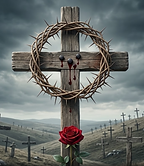


"Do not think that I have come to abolish the Law or the Prophets.

The passage referenced is Matthew 5:17–19, where Yeshua directly addresses the enduring validity of the Torah (the Law) and the Prophets: The morning sun climbed over the limestone hills of Galilee, burning off the mist that hovered over the quiet waters below. On the gentle slope of the mountain, a large crowd sat in the dry grass, their cloaks drawn against the early chill. Scribes in clean tunics, fishermen with calloused hands, mothers holding their children, and laborers weary from Roman taxes all leaned forward, their eyes fixed on the Teacher sitting on a flat outcropping of rock. Among them sat Joel, a young scribe’s apprentice from Capernaum, holding a small wooden stylus and a piece of parchment across his knee. Beside him was his mentor, Baruch, an elderly copyist whose hands had inked countless scrolls of the Torah over five decades. A murmur rippled through the outer edges of the crowd. Rumors had spread through the market that this carpenter from Nazareth spoke with a new kind of authority, one that challenged the rigid traditions of the elders. Some whispered that He had come to sweep away the ancient commandments altogether, to declare the old covenants obsolete and free men from the yoke of the law. Yeshua looked across the gathered faces, His clear eyes taking in both the weary and the skeptical. When He opened His mouth, His voice carried with a quiet, commanding weight that instantly silenced the breeze. "Do not think that I have come to abolish the Law or the Prophets. I have not come to abolish them, but to fulfill them." Baruch stiffened, his hand grasping his staff a little tighter. Joel paused his stylus over the parchment. "For I tell you truly, until heaven and earth pass away, not a single jot, not a stroke of a pen, will disappear from the Law until everything is accomplished." The words struck the scribe like the ringing of a silver bell. Yeshua raised His hand toward the expanse of the Galilean sky and the solid earth beneath their feet. As long as that sky arched overhead, the instruction of Yehovah was immovable. "Listen to Him, Joel," Baruch whispered softly, his voice trembling with emotion. "He speaks of the Yod—the tiniest letter in our alphabet—and the tittle, the tiny corner stroke that tells a Dalet from a Resh. He does not come to tear down a single letter of the Father’s pen." Yeshua continued, His words piercing straight to the heart of every teacher and hearer on the hill: "So then, whoever breaks one of the least of these commandments and teaches others to do likewise will be called least in the kingdom of heaven; but whoever practices and teaches them will be called great in the kingdom of heaven." Joel looked down at his parchment. For years, he had been taught human fences, oral additions, and convoluted loopholes designed to bend the weightier matters of the Law. But the Teacher was not offering lawlessness dressed up as freedom. He was demanding a righteousness that exceeded the hypocritical outward show of the scribes—a heart where the Torah was not discarded, but embodied, lived, and fulfilled in truth and spirit. The murmur in the crowd had vanished into utter stillness. The sun climbed higher, warming the hillside, and the young scribe began to write, his hand steady and his heart settled on the unchanging word of the King.
bottom of page